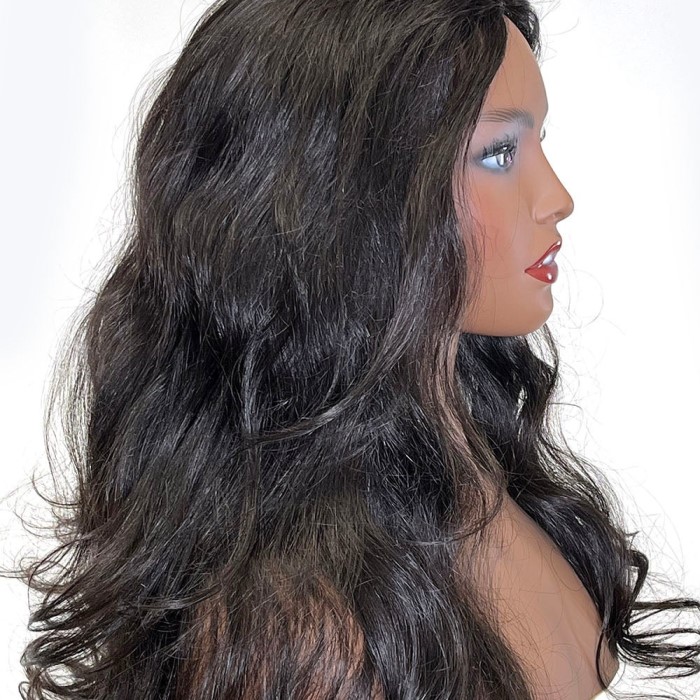
Post Accutane Hair Loss: Why It Happens & How to Stop It
Introduction
Accutane, a powerful medication used to treat severe acne, has transformed many lives by clearing persistent skin issues. However, one of the lesser-known side effects of Accutane is post Accutane hair loss. Many individuals report experiencing hair thinning or shedding after completing their treatment. This condition raises several questions about its causes, duration, and potential solutions. Understanding the science behind hair loss post-Accutane can empower patients with the knowledge needed to restore their hair health effectively.
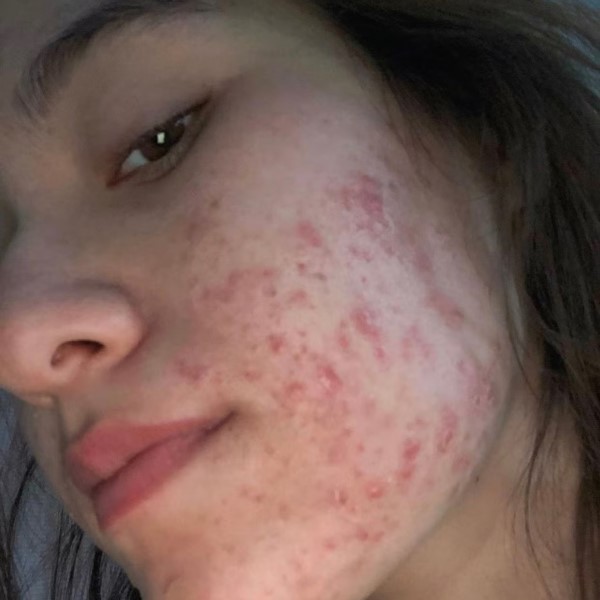
In this comprehensive guide, we will delve into why hair loss occurs after Accutane treatment, explore its causes, and provide practical solutions for those affected. Additionally, we will address frequently asked questions, guiding individuals toward healthy hair restoration and management strategies.
What Causes Post Accutane Hair Loss?
1. The Role of Accutane
Accutane, or isotretinoin, is a potent retinoid that works by reducing oil production in the skin. This process significantly decreases acne lesions, which helps clear up the skin. However, these powerful benefits often come with side effects. Hair loss is one of those side effects, affecting various patients either during treatment or after its completion.
2. Hormonal Changes
During and after Accutane treatment, hormonal fluctuations can occur. Accutane alters the levels of certain hormones in the body. As a result, changes in hormone levels can lead to hair follicles entering the telogen phase prematurely, which is the stage where hair sheds.
3. Dryness and Nutrient Deficiency
Accutane can also cause dryness, not only on the skin but also on the scalp. The medication reduces sebaceous (oil) gland activity, leading to a lack of essential oils that keep the scalp healthy. This dryness may disrupt the hair growth cycle and weaken the hair, causing it to fall out. Additionally, if a patient experiences reduced appetite or changes in dietary habits during treatment, nutrient deficiencies could arise, exacerbating hair thinning.
4. Stress Factors
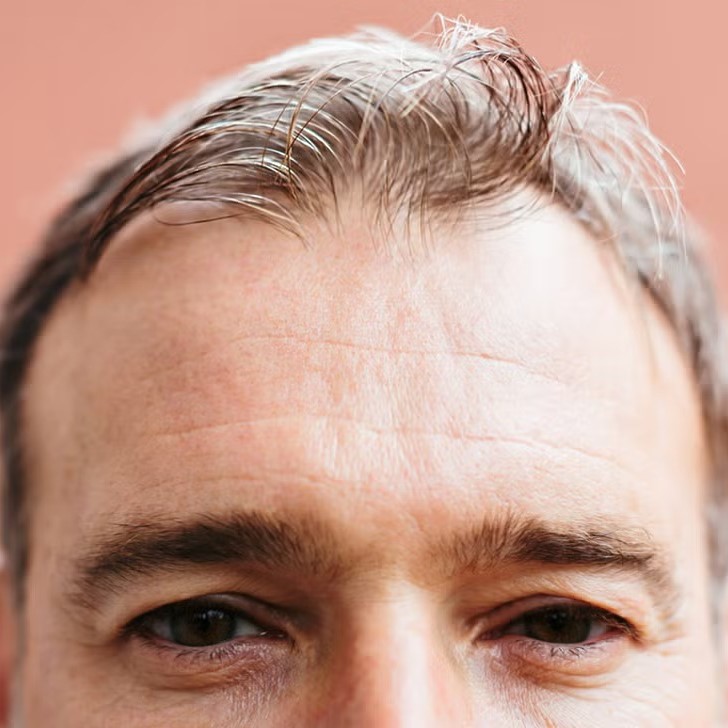
Managing acne and undergoing treatment can be a significant source of stress for individuals. Psychological stress can also contribute to hair loss. Since Accutane can link to emotional health, it’s essential to consider mental well-being during treatment and aftercare.
Duration of Hair Loss After Accutane
1. How Long Does Hair Loss After Accutane Last?
The duration of hair loss post-Accutane varies significantly among individuals. For some, hair loss may last a few months, while others could experience it for an extended period. Generally, hair shedding tends to peak about three to six months following the cessation of Accutane treatment. Most patients report that hair growth resumes within six to twelve months post-treatment. However, individual experiences can differ widely.
2. Understanding Hair Growth Cycles
To better comprehend the duration of hair loss, it is vital to understand hair growth cycles. Each hair strand undergoes three phases: anagen (growth), catagen (transition), and telogen (rest). Hair loss often occurs when follicles shift to the telogen phase too early. After halting Accutane, the hair follicles may take time to adjust, leading to prolonged shedding before hair growth resumes.
3. Monitoring Progress
Importance of Monitoring
After completing an Accutane treatment, it is essential to monitor hair density and overall health, particularly during the first year. This period is critical as the body may undergo various changes as it readjusts after the medication.
Gradual Improvement
Many individuals may begin to notice gradual improvements in hair density as time progresses. Hair follicles often revert to their natural growth cycles, which can lead to new hair growth and recovery of the areas affected by hair loss.

Tracking Changes
Keeping a record of changes in hair density and overall scalp health can be incredibly beneficial. This tracking can involve taking photographs, noting the thickness of hair in specific areas, or keeping a journal of any new growth or shedding patterns observed.
Identifying the Need for Interventions
By closely monitoring progress, individuals can determine if their hair recovery is on track or if additional interventions are required. If improvements stall or hair loss continues, this information is valuable in deciding whether to consult a healthcare provider for further options.
Assessment Criteria
When monitoring hair health, it is important to assess various factors, such as the overall thickness of the hair, the rate of shedding, and the appearance of new hair growth. This comprehensive assessment will provide a clearer picture of overall progress.
Consulting Professionals
If there are concerns regarding hair density or changes in health during the monitoring phase, consulting with a healthcare professional or a dermatologist is advisable. They can provide expert insight and recommend appropriate actions if improvement is not evident.
Adjusting Treatment Plans
Based on the monitoring and assessment of hair health, individuals may need to adjust their treatment plans. This could involve changing medications, trying new supplements, or implementing different hair care practices to support recovery.

Emotional Well-being
Besides physical changes, monitoring progress can also have emotional implications. Keeping track of hair health can help individuals manage their expectations and reduce anxiety about hair loss, fostering a more positive outlook throughout the recovery journey.
Effective Strategies to Combat Post Accutane Hair Loss
1. Nutritional Support
Prioritizing a healthy, balanced diet is fundamental to preventing further hair loss post-Accutane. Essential nutrients such as vitamins A, C, D, E, and minerals like zinc and iron play significant roles in hair regrowth. Incorporating a variety of whole foods, including fruits, vegetables, lean proteins, and whole grains, can boost overall health and support hair follicle recovery.
2. Gentle Hair Care Practices
To mitigate hair loss, individuals should adopt gentle hair care practices. Avoid heat styling tools and embrace natural drying methods whenever possible. Additionally, using sulfate-free shampoos or products designed for sensitive scalps can significantly reduce irritation and support a healthy scalp environment.
3. Scalp Treatments
Using moisturizing scalp treatments can alleviate dryness resulting from Accutane. Products containing natural oils, such as jojoba or argan oil, can nourish the scalp while promoting healthier hair growth. Regular scalp massages can stimulate blood circulation, enhancing nutrient delivery to hair follicles.
4. Consult a Dermatologist or Specialist
For individuals struggling to manage hair loss post-Accutane, consulting a dermatologist or hair restoration specialist is essential. They can evaluate the severity of hair loss and recommend personalized treatment options, including topical solutions, supplements, or procedures tailored for restoration.
5. Consider Hair Loss Treatments
Overview of Post-Accutane Hair Loss
Hair loss is a potential side effect experienced by some individuals after completing a course of Accutane, a medication commonly prescribed for severe acne. This condition can be distressing and may lead to concerns about self-esteem and overall appearance.
Available Treatment Options
There are several treatment options that may assist in mitigating hair loss related to Accutane use. Some of these options are well-known for their efficacy in promoting hair regrowth and restoring hair density.
Minoxidil (Rogaine)
One popular treatment is minoxidil, commonly referred to by its brand name Rogaine. This topical solution is applied directly to the scalp and has been clinically proven to stimulate hair follicles, potentially reversing hair thinning and promoting new hair growth.
Biotin Supplements
Biotin is a B-vitamin that plays a crucial role in maintaining healthy hair, skin, and nails. Biotin supplements are often recommended for individuals experiencing hair loss, as they may support overall hair health and strength, although results can vary among users.
Importance of Professional Consultation
It is essential to consult a healthcare provider before starting any new hair loss treatment. A medical professional can assess individual cases, taking into account personal health history, any ongoing medications, and specific needs, ensuring that the chosen treatment is both safe and appropriate.
Individual Suitability
Each person’s response to hair loss treatments can differ significantly. What works for one individual may not be effective for another, highlighting the importance of a tailored approach. Healthcare providers can help in selecting treatments that are best suited for each individual.
Monitoring Progress
Once a treatment plan is initiated, regular follow-ups with a healthcare provider are recommended to monitor progress and make necessary adjustments to the treatment approach. This ongoing assessment helps in achieving optimal results and addressing any potential side effects.
Emotional Support and Resources
In addition to medical treatments, individuals experiencing post-Accutane hair loss may benefit from emotional support. Connecting with support groups or online communities can provide encouragement and shared experiences, making the journey towards recovery less isolating.
Frequently Asked Questions (FAQs)
How long does hair loss after Accutane last?
Hair loss after Accutane may last from a few months to over a year. The peak shedding phase typically occurs between three to six months after treatment ends, and most individuals begin to notice hair regrowth within six to twelve months post-Accutane.
How to stop your hair from falling out post Accutane?
To mitigate hair loss after Accutane, focus on a balanced diet rich in essential nutrients, practice gentle hair care, use moisturizing scalp treatments, and consult with a dermatologist. These strategies promote scalp health and stimulate hair regrowth.
Does hair grow back after losing it from Accutane?
Yes, in most cases, hair does grow back after experiencing hair loss from Accutane. Although regrowth timelines can vary by individual, many people notice improvements within six to twelve months following treatment cessation.
Conclusion: Taking Control of Post Accutane Hair Loss
In conclusion, post Accutane hair loss is a common concern for many individuals who have undergone this treatment. Understanding the underlying causes—such as hormonal changes, dryness, and nutrient deficiencies—can empower patients to take proactive steps in managing this issue. By adopting effective strategies ranging from dietary changes to gentle hair care and seeking professional guidance, individuals can promote hair regrowth and restore confidence in their appearance.
If you or someone you know is experiencing post-Accutane hair loss, remember that you are not alone. Many have navigated this challenge and emerged with healthier hair and renewed vitality. With patience and care, it is possible to regain strong, vibrant hair after Accutane treatment, paving the way for a positive transition into life post-medication.